

How Technology Is Improving Modern Septic Installations
With the advancements in technology, many industries have witnessed profound transformations, and the septic system industry is no exception. The ways in which waste management is handled today significantly differ from methods employed just a few decades ago, largely due to technological innovations. By focusing on aspects such as enhanced planning, real-time monitoring, and innovative materials, we uncover a field in flux, adapting to new demands and possibilities. In both residential and commercial settings, the significance of efficient septic systems cannot be overstated. Across the United States, for instance, over 25% of people rely on septic systems, according to This Old House, underscoring the importance of ongoing enhancements in this area. Through this exploration, we will delve into how modern technology is reshaping septic installations, driving towards improved efficiency, reliability, and environmental responsibility.
Advanced Design Software
Septic systems' successful installation begins with precise and informed planning. Modern design software has revolutionized this stage by offering unprecedented accuracy and ease. These platforms allow engineers to create highly detailed drafts, which help in accounting for all variables before actual installation begins. By simulating real-world conditions, software assists in identifying potential flaws, saving both time and resources. Thanks to these technological advancements, septic designs are realized with enhanced precision, aligning them perfectly with the unique demands of individual sites.
3D modeling tools have turned visualization into a straightforward process by providing detailed representations of prospective installations. With 3D rendering, stakeholders can gain insights into how their septic systems will be implemented, offering a virtual tour of their components and function. Such sophisticated tools are not only beneficial for visualization but also play a crucial role in identifying spatial issues. Being able to visualize a system in this manner facilitates more informed decision-making and opens up opportunities for necessary adjustments. This capability is indispensable, particularly for complex projects that require nuanced layouts and intricate systems.
Modern software also excels in offering customized solutions tailored to the specific requirements of a site. This personalization enables consideration of unique geographic and topographical features, ensuring harmonization with the natural environment. By calibrating systems to match exact conditions, software solutions offer design flexibility and optimized functionality. Tailoring system layouts also allows for more efficient material use and reduced environmental impact, highlighting a commitment to sustainability. This level of customization was previously unattainable, marking a significant shift in how septic systems are designed and executed.
Geographic Information Systems (GIS) have become integral to accurate assessments and placements of septic installations. By incorporating GIS maps and data, designers can better comprehend topographical nuances, significantly impacting the effectiveness of the system. This approach ensures installations interact seamlessly with environmental variables such as slope and drainage patterns. The use of GIS supports comprehensive evaluations, leading to informed decision-making processes and strategic system placements. The integration of GIS thus represents a technological leap towards more efficient and environmentally attuned septic systems.
Smart Sensors and Monitoring Technology
Innovation in sensor technology has drastically improved the capacity to monitor septic systems. These small yet sophisticated devices provide real-time data concerning system health, enabling immediate detection of anomalies. Equipment such as level sensors and flow monitors contribute to a comprehensive overview of operations. By continuously capturing system data, they enable proactive management, thereby reducing the risk of failure. This real-time insight ensures that issues are caught early, thus safeguarding against more severe consequences.
A pivotal advancement afforded by smart sensors is the automated alert system for preventive maintenance. As sensors detect irregularities, alert mechanisms are triggered, guiding necessary action well before problems escalate. This preemptive approach stands in stark contrast with traditional systems that often reacted after the damage was done. Automated alerts bring significant benefits in terms of cost savings by avoiding major repairs. Moreover, they extend the lifecycle of septic systems through timely interventions and upkeep.
Data collected by monitoring technology offers invaluable insights into system efficiency and user behavior. This accumulated data supports detailed performance analyses, allowing for adjustments based on empirical evidence. Regular analysis fosters a deeper understanding of usage patterns and guides enhancements in system design and management. Additionally, data-driven insights can inform better regulatory compliance and environmental practices. The use of real-time data represents an informed approach to managing septic systems, aligning performance with end-user needs and expectations.
Innovative Materials and Construction Techniques
Emphasizing sustainability, the use of eco-friendly materials is leading a transformative shift in septic construction. Materials such as recycled plastics, sustainable concrete, and biodegradable components are increasingly being adopted. Eco-conscious choices ensure reduced environmental impacts during both construction and operation phases. These innovations support broader sustainability goals while contributing to a healthier ecosystem. By aligning material choices with environmental imperatives, septic system manufacturers underscore a commitment to the planet’s longevity.
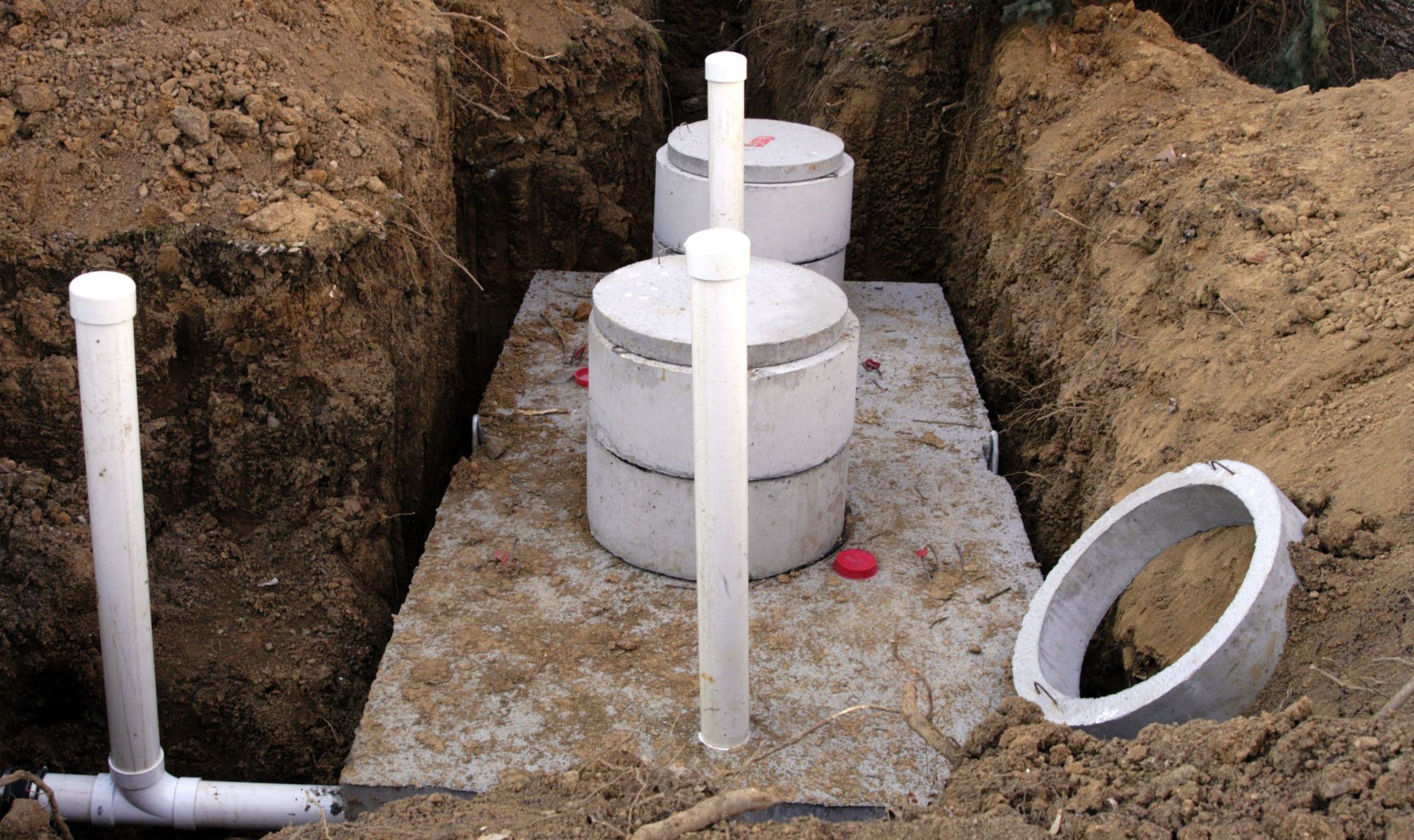
Technological advances have also revolutionized the construction techniques used in building drain fields. Breakthroughs such as advanced filtration systems and versatile trench solutions have enhanced the efficiency and durability of these fields. These improvements enable more effective dispersal and treatment of wastewater, reducing risks associated with saturation and contamination. The longevity of drain fields is also extended through innovative designs that require fewer repairs and less maintenance over time. Consequently, these enhancements lead to sustainable, robust solutions capable of meeting modern waste management demands.
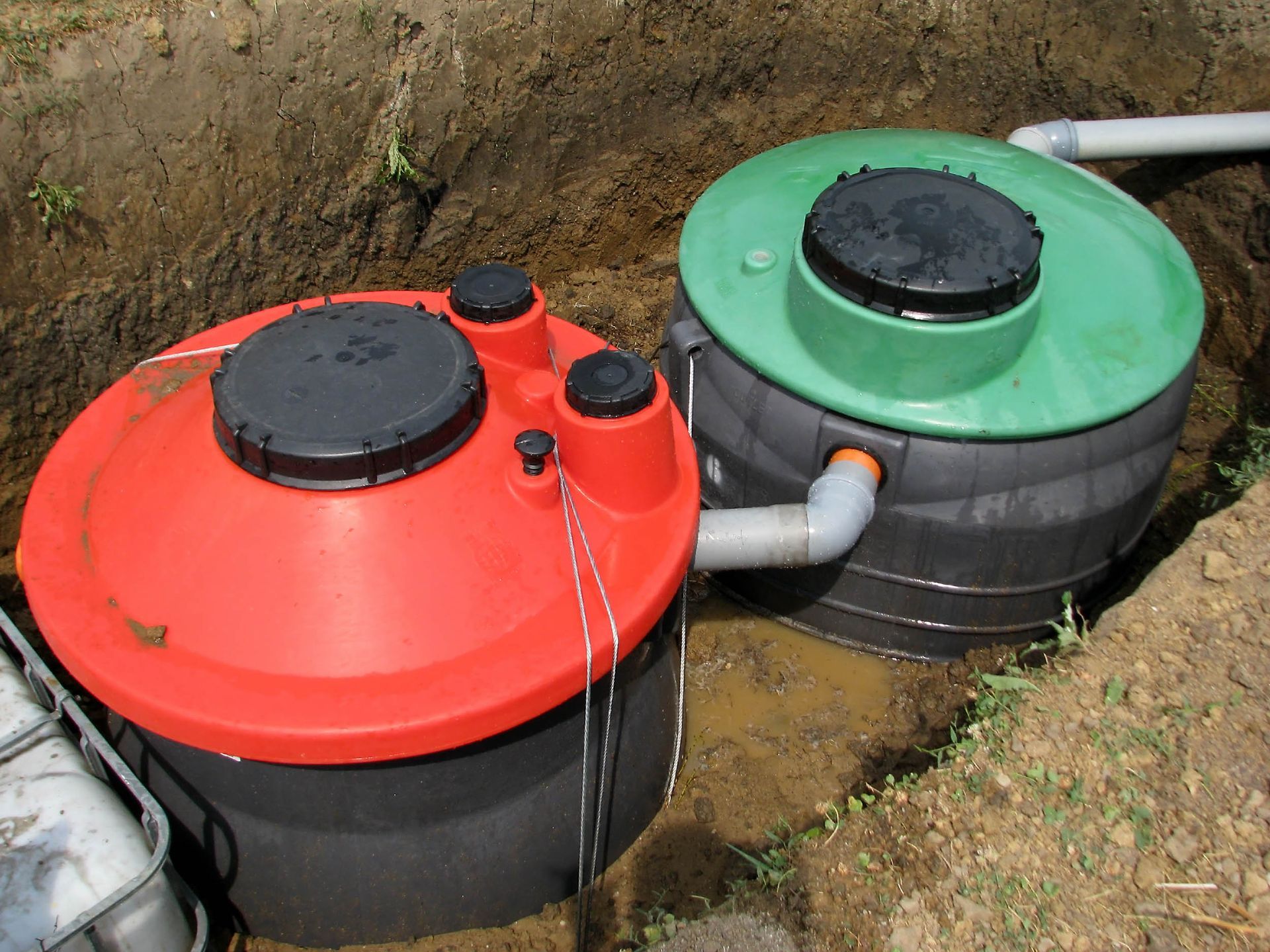
Modular and pre-fabricated septic systems are gaining popularity for their efficiency and simplicity. These systems, assembled off-site, allow for rapid installation and minimize environmental disturbances. Prefabrication helps manage quality as components are manufactured in controlled environments, ensuring consistency. This method results in reduced on-site construction times, leading to minimal intervention in the surrounding area. Quick and efficient installations benefit both homeowners and service providers, highlighting the merits of modular construction.
Regulatory Technology Compliance and Innovation
In the ever-evolving landscape of regulations, technology plays a vital role in ensuring continued compliance within the septic system industry. Adapting to modern frameworks is a challenge that technological tools are well-suited to mitigate, offering guidance on alignment with standards. Augmented reality and data management platforms can guide stakeholders through regulatory complexities with ease. Such tools support clients and contractors through the labyrinth of permits and certifications required today. The result is a streamlined process whereby septic systems meet all legal requirements with minimal disruption.
Digital platforms have introduced a level of efficiency to the previously cumbersome permitting processes. By transitioning to electronic submission and tracking, time and effort dedicated to paperwork are greatly minimized. Digital permit management offers transparency and can be accessed at any time, fostering communication between regulatory bodies and the public. Through this streamlined approach, city planners and designers maintain a comprehensive overview of pending and approved projects, ensuring alignment with public health directives. This seamless integration of digital platforms has become a cornerstone in the modern scientific and regulatory landscape.
Technological advancements underscore innovative land use planning, providing insight into optimal space utilization that reduces environmental impact. Using simulation tools and data platforms, planners predict infrastructure interactions, minimizing potential ecological disruptions. These tools foster strategic land use assessments, ensuring septic systems are compatible with surrounding land dynamics. The balance achieved through technology-assisted planning supports development conducive to long-term ecosystem health. By prioritizing environmentally sound land use, technological advancements represent a forward-thinking approach to infrastructure placement.
The profound impact of technology on the evolution of septic systems is evident through the advances discussed. Each section highlighted distinct technological contributions, such as the precision of design software, the monitoring capacities of smart sensors, and the eco-friendliness of modern materials. As technologies continue to evolve and integrate into septic practices, this field stands as a prime example of innovation in infrastructure. The refinement of regulatory frameworks, improved remote management capabilities, and future-looking concepts promise brighter horizons for the septic industry. Through continued innovation and application, septic systems are poised to meet contemporary challenges, driving sustainable development for future generations. For more information about
septic installations, contact Jade-Co Septic today.





Share On: