

A Guide to Septic System Maintenance
The health and functionality of our homes often depend on systems we seldom see. One such vital system is the septic system, which is an essential component for many homeowners, especially those living in rural areas. Effective septic system maintenance is crucial for preventing costly repairs, safeguarding the environment, ensuring personal health and safety, and maintaining property values. This guide aims to demystify the components and workings of septic installation, emphasize the importance of regular maintenance, walk you through routine upkeep tasks, and introduce innovations that can enhance system functionality.
Understanding Septic Systems
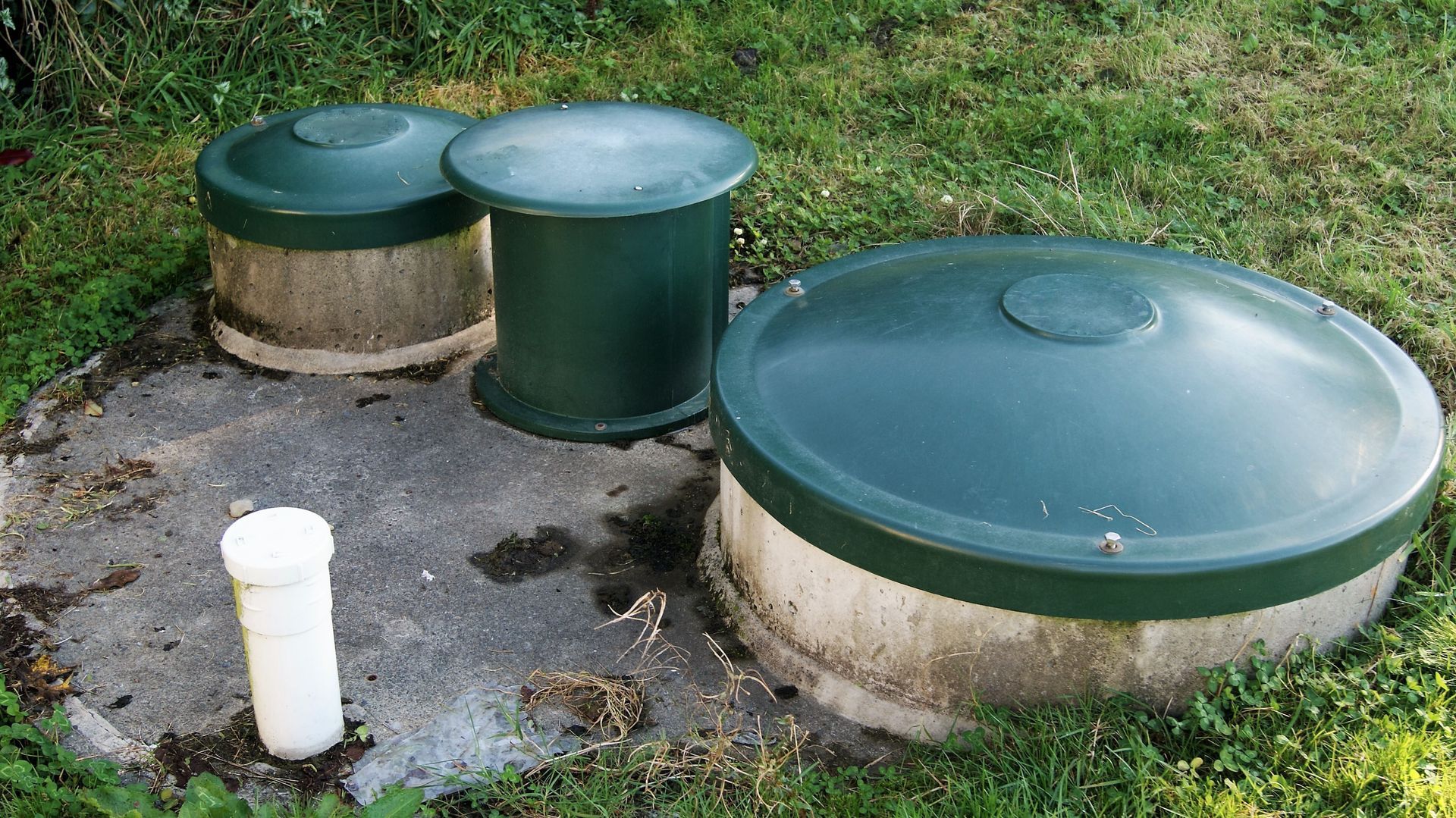
A septic system is an underground wastewater treatment structure, commonly used in areas without centralized sewer systems. They use a combination of nature and proven technology to treat wastewater from household plumbing produced by bathrooms, kitchen drains, and laundry. A standard septic system consists of a septic tank and a drain field, also known as a soil absorption field. This system helps manage wastewater when no municipal services are available, making it an integral part of rural life. Understanding your septic system is crucial when it comes to maintaining it effectively and identifying potential problems.
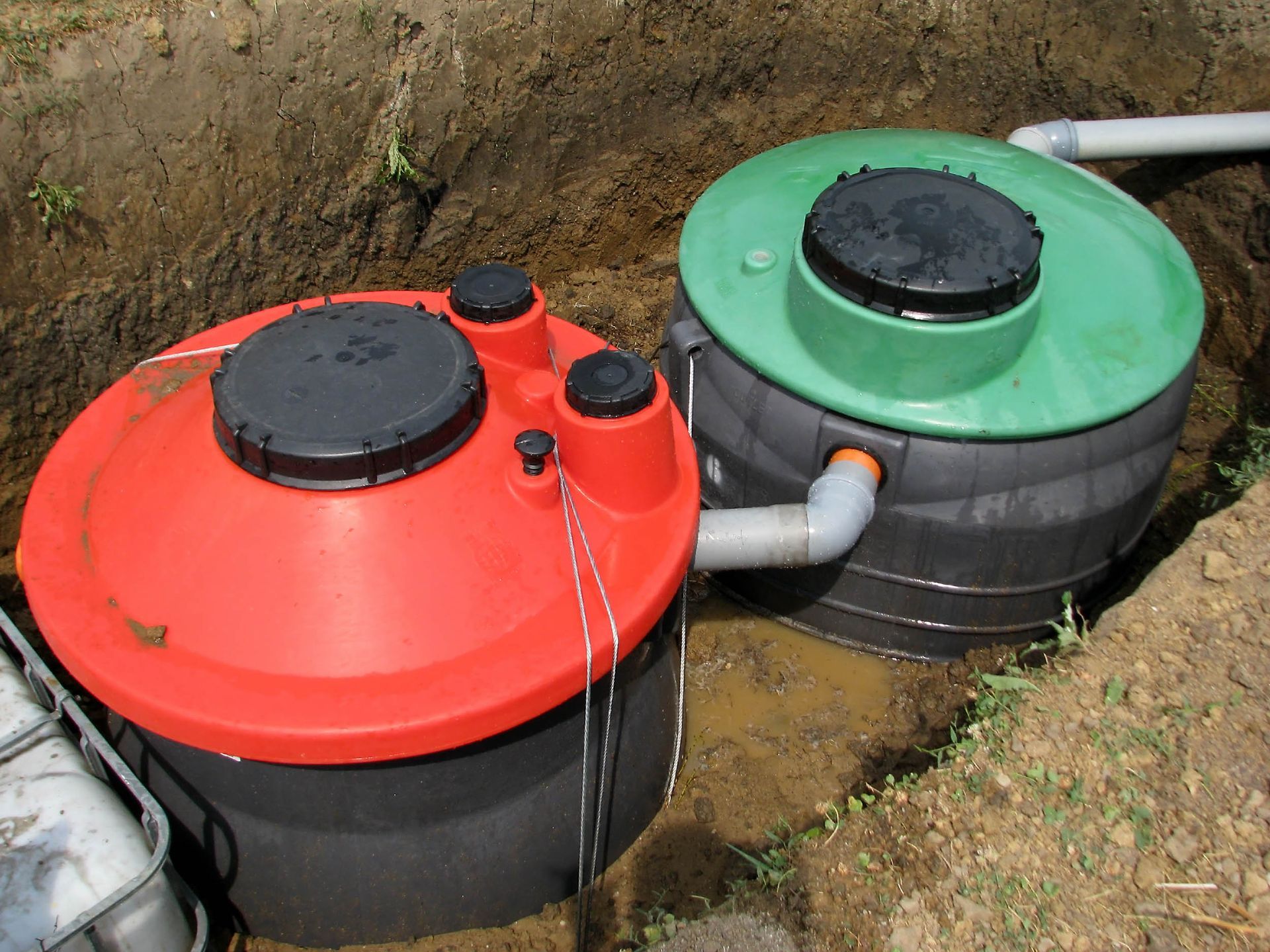
A traditional septic installation system has four primary components: the pipe from the home, the septic tank, the drain field, and the soil. The pipe from the home carries all the household waste to the tank, which holds wastewater long enough for solid waste to settle to the bottom and form a sludge. Meanwhile, oil and grease float to the top as scum. The pre-treated wastewater is then discharged to the drain field through a series of perforated pipes, where it is further treated by the soil. Regular inspection and maintenance of these components are vital to ensure system efficiency and longevity.
There are numerous types of septic systems to accommodate different landscapes, use conditions, and household sizes. Conventional systems, mound systems, and aerobic treatment units (ATUs) are among the most common. Each type has different mechanisms for treating wastewater and may have distinct maintenance requirements. Factors such as soil absorption rates, climate conditions, and local regulations can influence the choice of system. According to This Old House, a 1,000-gallon capacity septic tank is necessary to adequately service a home with two to three bedrooms, highlighting the importance of selecting the right system for your property needs.
Maintaining Your Septic System
Regular maintenance is key to avoiding system failures that can be costly and troublesome. Routine inspections and timely pumping of the septic tank help prevent unsanitary conditions and system overload. When waste builds up, escaping gases can infiltrate homes, or, worse, untreated waste can backflow, leading to health risks. Preventative measures are less expensive than corrective repairs, extending the system's life, and avoiding emergencies. A proactive maintenance plan offers peace of mind for homeowners and their families.
Maintaining your septic system regularly has significant environmental benefits. An efficient septic system prevents pollutants from seeping into the ground, protecting local watersheds. Unfortunately, neglected systems can leak nutrients into nearby water bodies, causing excessive algal blooms that damage ecosystems. Maintaining a functional septic system also reduces the household's overall water footprint. Thus, septic maintenance is an essential practice for sustainable living and contributing to broader environmental health.
Failing septic systems pose serious health risks due to the potential for groundwater contamination and exposure to untreated human waste. Regular maintenance mitigates these risks by ensuring waste is properly managed and treated before being released into the environment. A failing system could also lead to pathogenic bacteria or viruses entering drinking water supplies, risking community health. Maintaining these systems guards against illness, contributing to a safe and healthy home environment for residents.
Routine Maintenance Tasks
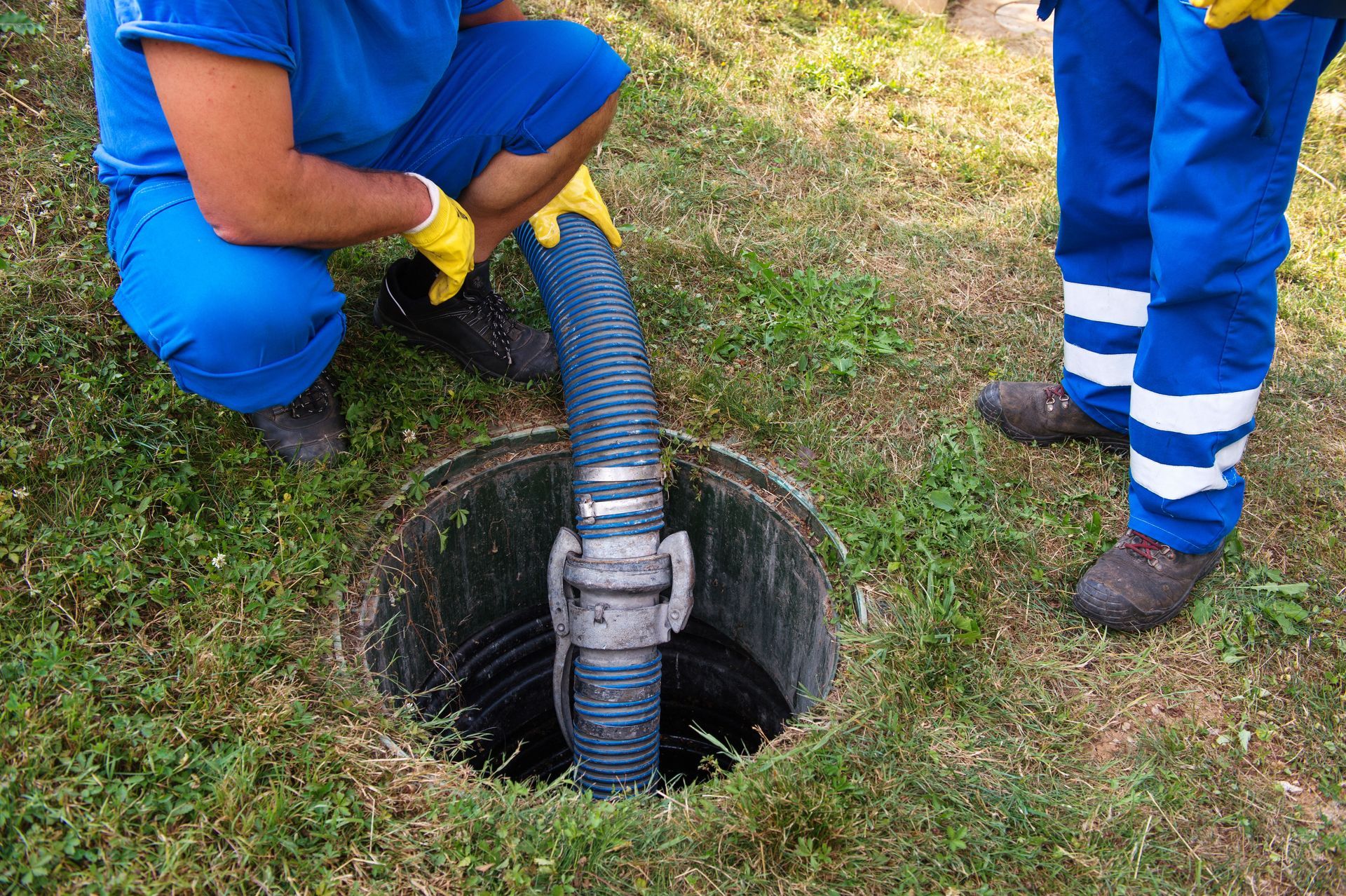
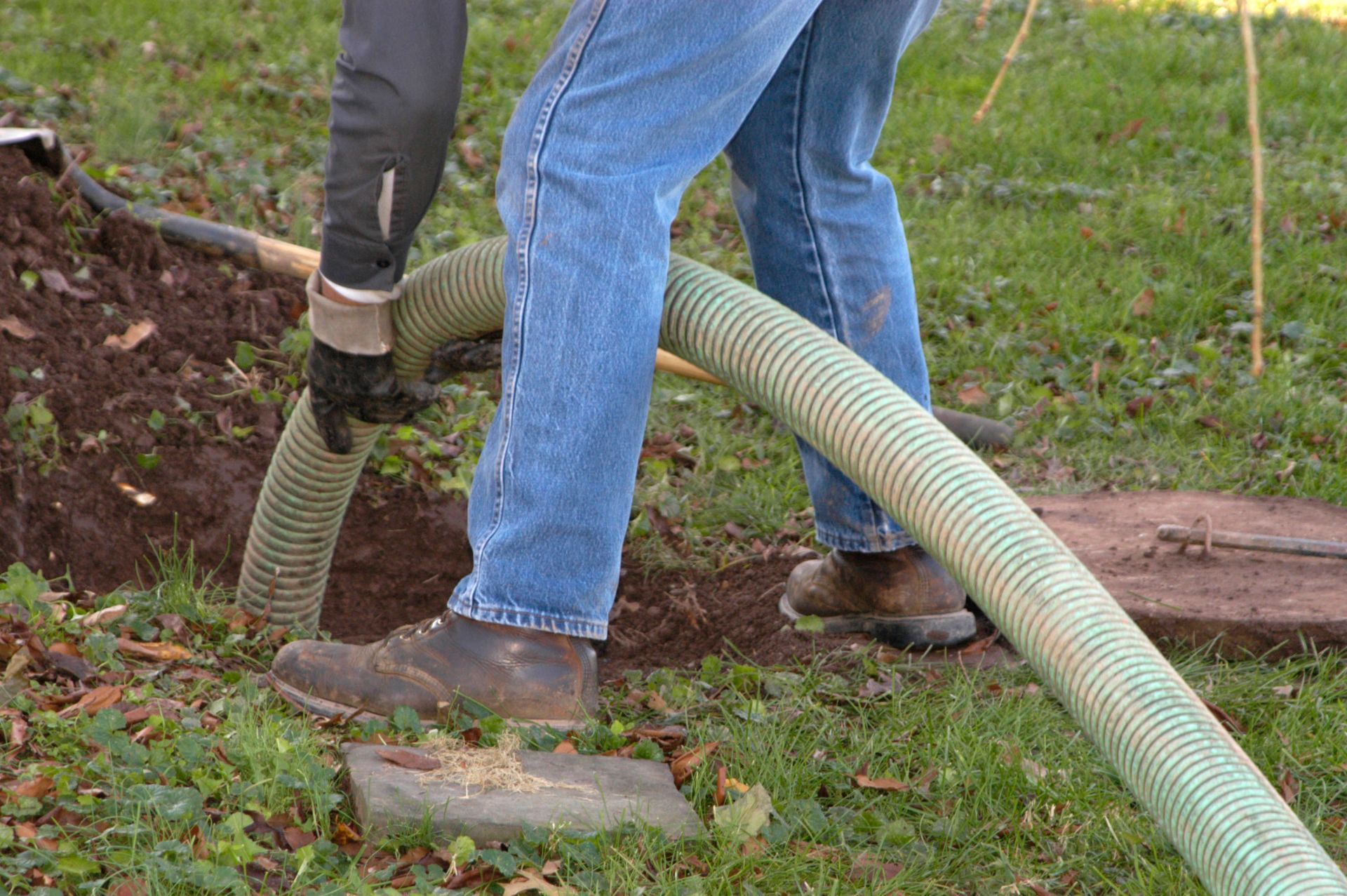
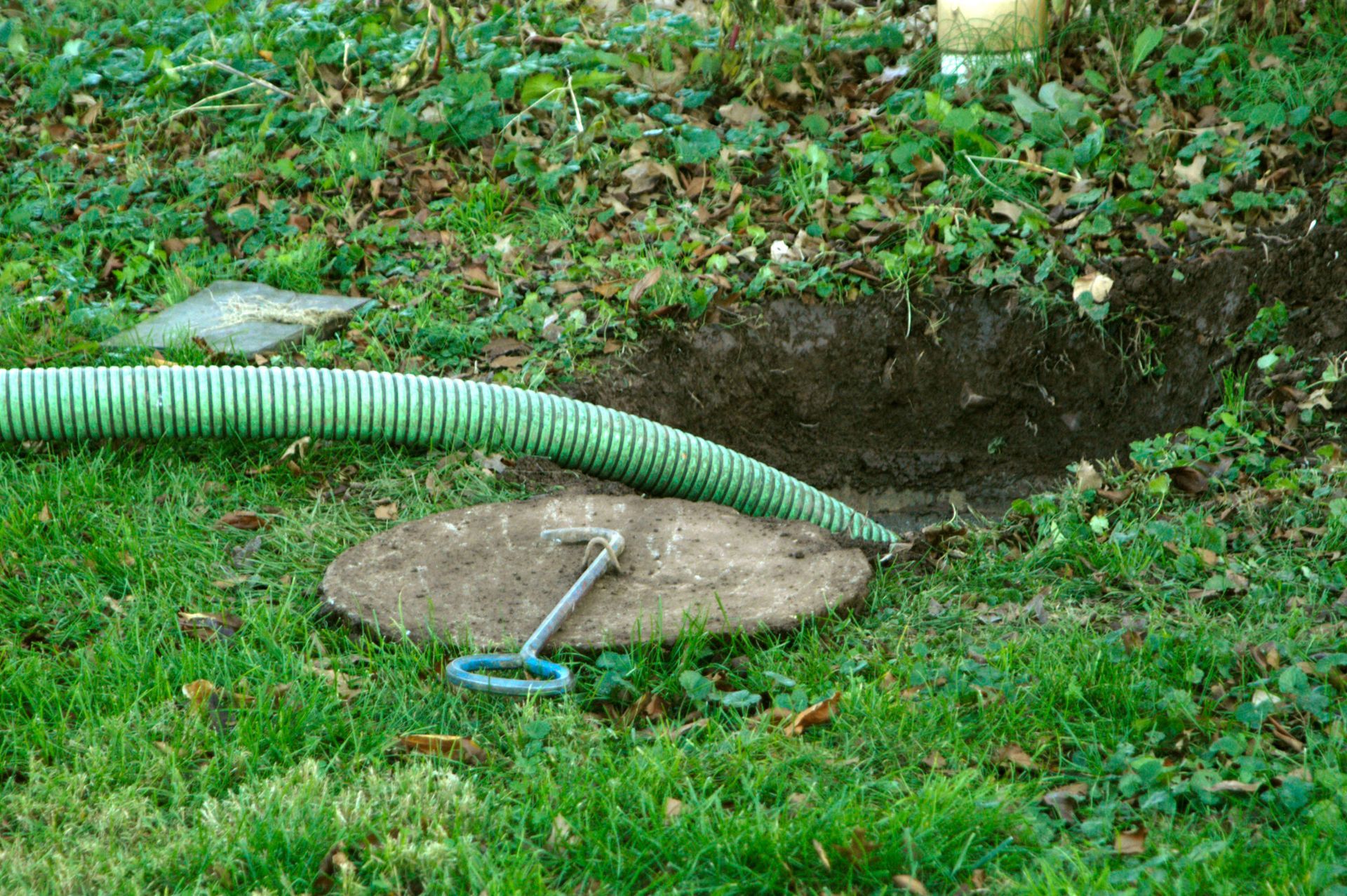
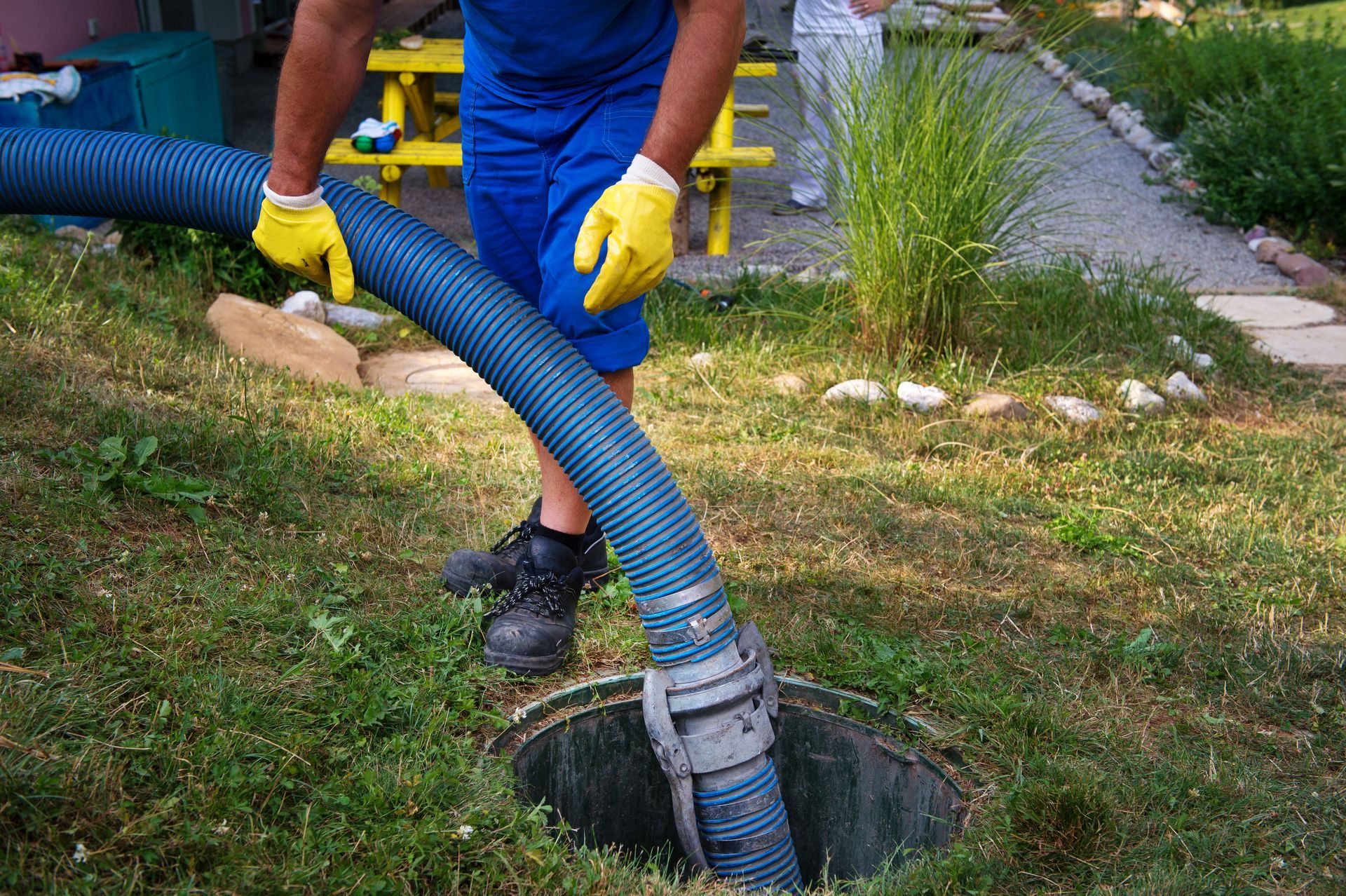
Pumping the septic tank is one of the most critical maintenance tasks for homeowners. Generally, septic tanks should be pumped every three to five years, although this may vary based on usage and tank size. Regular pumping prevents the accumulation of sludge and scum, which can lead to clogs and eventual system failures. Professional services can determine the right schedule based on your system's size and use.
Routine inspections are essential after septic installation for detecting minor issues before they escalate into costly problems. A licensed septic inspector can assess the system's integrity, checking for leaks, clogs, and component effectiveness. Inspections provide peace of mind and insights into necessary repairs and potential upgrades. Regular assessments help keep track of the system's condition over time, offering an informed approach to maintenance.
Efficient water usage is a key element in maintaining the balance within your septic system. Overloading the system with excessive water can lead to poor waste breakdown, overflow, and potential system failure. Homeowners should implement water-saving strategies such as installing high-efficiency fixtures, fixing leaks promptly, and distributing water use throughout the week.
Troubleshooting and Repair
Knowing the early warning signs of septic system problems can save homeowners from significant headaches and expenses. Common indicators of trouble include slow drains, unpleasant odors, gurgling sounds in the plumbing, and significant patches of lush grass over the drain field. If these signs are apparent, it's crucial to investigate further before issues worsen. Catching these early can prevent more serious problems from developing. Homeowners should remain vigilant and routinely check for these symptoms to maintain their system's health.
While certain septic system repairs require professional intervention, there are basic fixes homeowners can undertake. Regularly checking and unclogging drains can help prevent buildup and flow issues. Homeowners might also inspect and adjust water usage habits if they notice any variation in system performance. Additionally, non-invasive tasks such as diverting rainwater away from the drain field preserve system integrity.
Not all septic issues can be adequately addressed by homeowners, and knowing when to call a professional can prevent minor issues from escalating. Perplexing problems like persistent backups, foul odors, or indications of a septic tank leak deserve expert attention. Professionals can accurately diagnose system performance issues and implement precise repairs. Consulting a specialist offers technical knowledge and experience beyond homeowner skills, protecting the integrity of the system. It is prudent to establish a reliable partnership with service providers for emergency situations.
Innovations in Septic Systems
Advanced treatment systems offer enhanced processes for treating wastewater beyond traditional septic solutions. They employ additional treatment steps such as aerobic processes or media filters that offer superior water purification. These systems are advantageous for environmentally sensitive areas or where space constraints hinder traditional systems. Although more expensive initially, their advanced capabilities improve water quality efficiently and sustainably, making them a good option for those seeking out new septic installation. As technology evolves, these innovative systems may become more mainstream in tackling wastewater challenges.
Eco-friendly septic solutions have emerged in response to growing environmental concerns. These systems focus on minimizing ecological footprints by utilizing green technology and sustainable practices. Composting toilets, constructed wetlands, and solar-powered systems are examples that reduce reliance on traditional septic tanks. Integrating these solutions can lead to greater resource conservation and lower environmental impact.
Smart septic monitoring systems represent a leap forward in septic management technology. These systems use sensors and digital platforms to provide real-time data on tank levels, system performance, and potential problem detection. Homeowners can access monitoring via mobile apps, enabling proactive management to prevent issues before they escalate. Smart technology can lead to more timely maintenance, reducing the chance of sudden failures.
The intricate workings and substantial significance of
septic installation and systems demand vigilant care and consideration from homeowners. By comprehensively understanding and proactively managing septic systems, homeowners can ensure optimal functionality, prevent costly failures, and contribute to environmental and public health. For more information, consider reaching out to Jade-Co Septic, and see what we can do for you.
Share On: